

 See My Latest Article on HelloNation
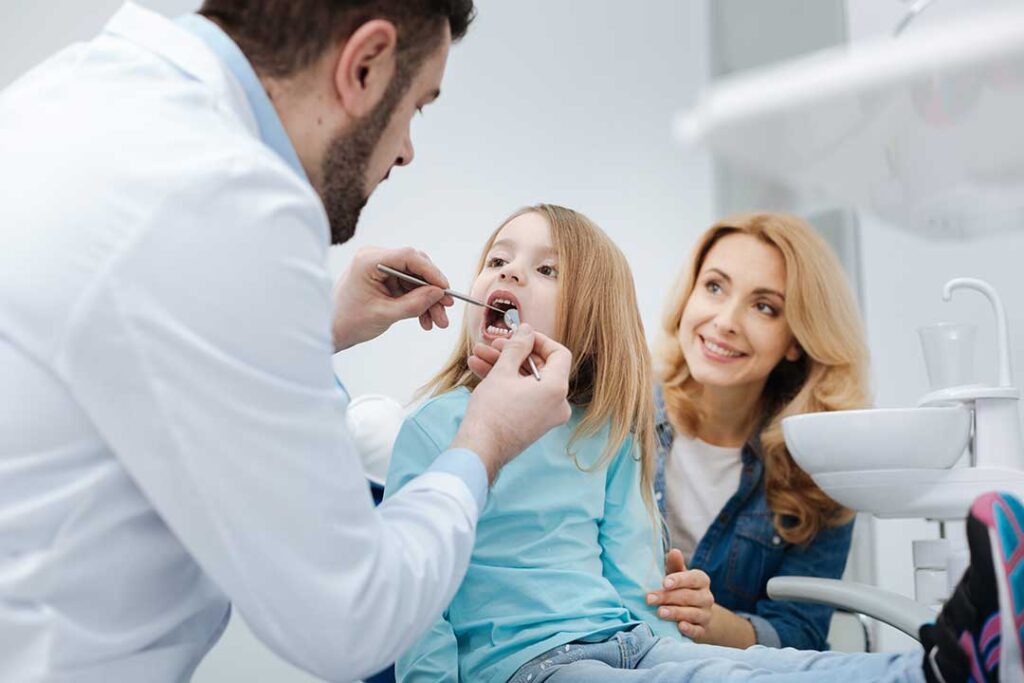
How Frequent Dental Visits Support Oral Health
Most adults and children in New Castle, PA benefit from seeing a dentist for a check-up and cleaning every six months. This twice-yearly schedule is based on the reality that, for many people, dental plaque and tartar can build up over several months—potentially leading to cavities and gum problems if not addressed. Routine visits also help dentists spot early signs of issues that may not cause symptoms right away.
Can Some People Go Less Often?
People with excellent daily oral hygiene, no history of cavities, and low risk for gum disease sometimes ask whether they need to go every six months. In lower-risk cases, a dentist may recommend yearly exams—especially for older teens and adults with healthy teeth and gums. However, skipping check-ups increases the risk of missing early problems, which can progress quietly. Most dental and public health guidelines keep six-month visits as their default advice for the general population.
Who Needs More Frequent Dental Visits?
Certain groups in New Castle may benefit from asking about a more personalized schedule. You might need to go more than twice a year if you:
- Have ongoing gum disease or recent gum treatment
- Form cavities or tartar quickly, regardless of good oral habits
- Wear braces or have other dental appliances
- Manage chronic health conditions like diabetes that impact oral health
- Are pregnant, which can increase gum sensitivity and bleeding
Dental professionals often tailor recall schedules based on these risk factors, with check-ups every 3–4 months in specific cases.
Why Is Six Months a Common Recommendation?
The six-month interval is a long-standing guideline because it balances preventive care with practical life routines for most area households—especially with the seasonal and school-year activities common in New Castle. For school-age children, twice-a-year exams offer chances for protective sealants, monitoring growth, and checking that cleaning routines at home are effective. For working adults, mid-year and year-end visits often pair conveniently with insurance plan schedules and local holiday breaks.
What Happens During a Routine Visit?
At a typical check-up in the city, you'll receive:
- A professional cleaning to remove deposits that brushing alone leaves behind
- A visual and instrumental exam for cavities, gum health, and occasionally oral cancer screening
- X-rays as recommended (often yearly or every few years for healthy adults)
- Practical feedback on brushing and flossing, often with tips tailored to local water quality and dental trends
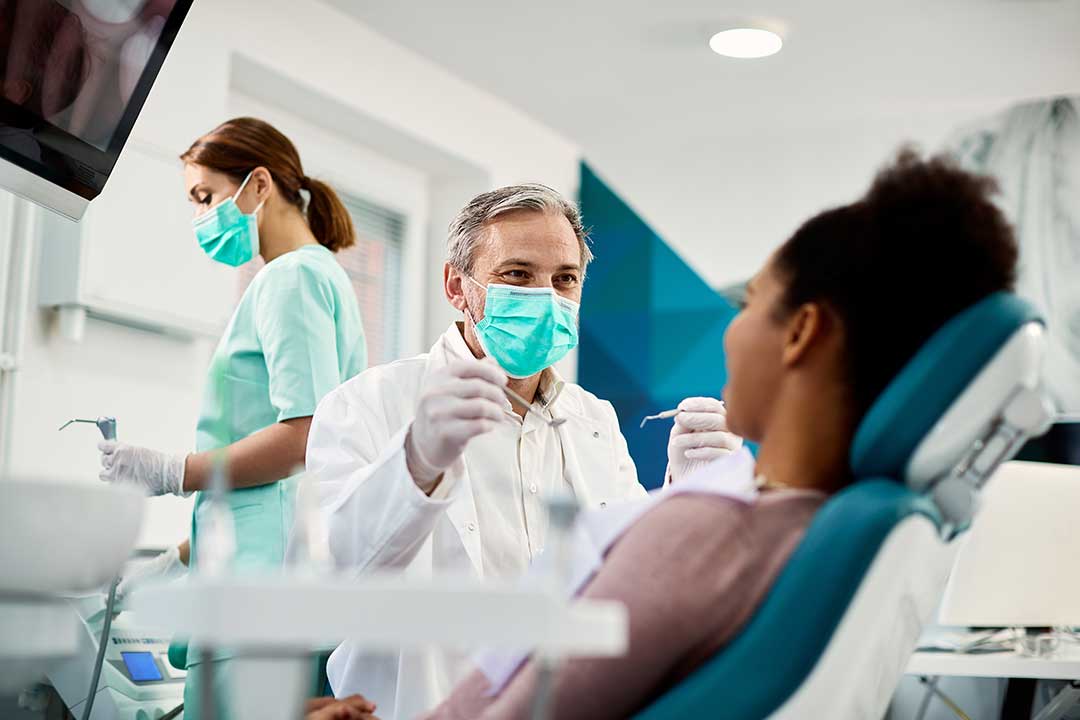
Cleanings are especially important, since area households receive a mix of fluoride-treated municipal water and well water, affecting how teeth accumulate stains and decay.
Are Emergency Visits a Substitute for Routine Care?
Urgent visits for dental pain, injuries, or broken fillings are not a replacement for preventive care. People sometimes assume that if nothing hurts, everything is fine—but many common dental concerns, such as early gum disease or minor cavities, cause no early symptoms. Regular check-ups help catch these problems before they require more involved (and often costly) treatment.
How Do Local Factors Affect Dental Health?
In New Castle, the climate, tap water mineral content, traditional food habits, and local sports all play into oral health patterns. Cold winters see higher consumption of starchy comfort foods, and hockey or football activities increase the risk of mouth injuries for children and teens. Seasonal allergies can lead to mouth breathing, which dries out the gums and increases the risk for decay and bad breath. Dental professionals in the community adapt their guidance to these local lifestyle factors, which can mean recommending sports mouthguards, special toothpaste, or changes in home routines.
Can Good Home Habits Reduce the Need for Visits?
Consistent brushing (twice daily with fluoride toothpaste) and daily flossing remain the foundation of oral health. Drinking plenty of water, limiting sugary drinks, and eating a balanced diet also support healthy teeth. However, no home routine fully substitutes for a professional cleaning and evaluation, since tartar can only be removed with specialized instruments, and small issues may be invisible to the untrained eye.
What If You Haven’t Been in a While?
Residents who haven’t seen a dentist in a year or more should not feel embarrassed—this situation is common in the community, especially after disruptions like the winter flu season or changes in insurance. The best step is to resume check-ups as soon as possible, without worry about judgment. Professionals are accustomed to seeing a range of dental conditions from area households, and their primary goal is helping residents move forward with better oral health.