

 See My Latest Article on HelloNation
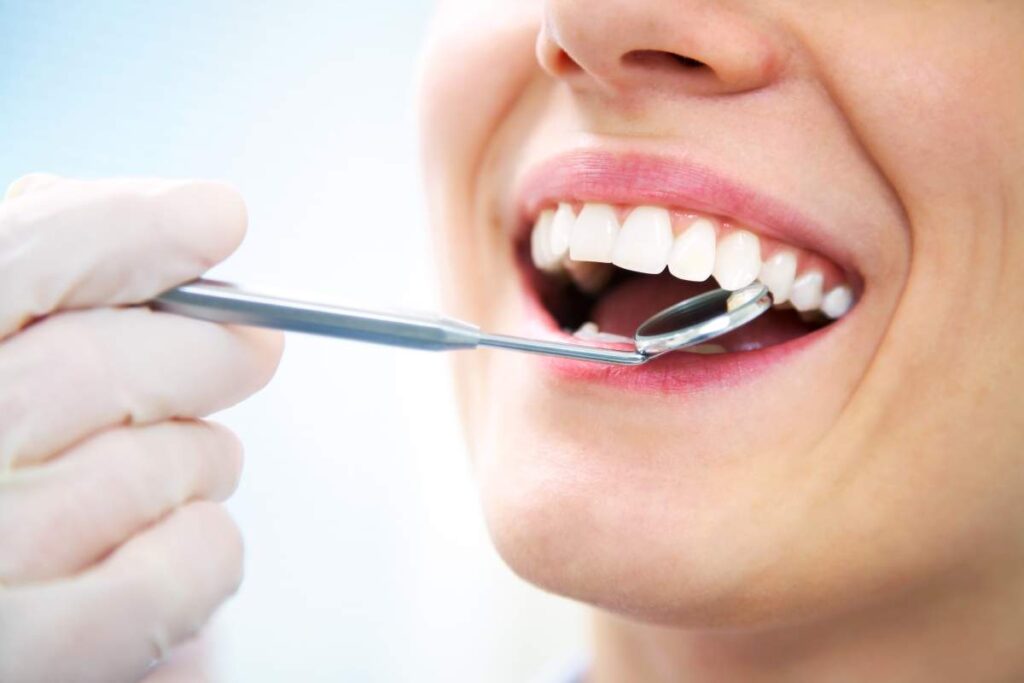
Teeth naturally vary in color, and some darkening develops with age. Still, many surface stains can be reduced or prevented by paying attention to beverages, tobacco, oral hygiene, and habits that affect enamel.
For residents of New Castle, PA, routines often change with the seasons. Hot coffee and tea may become daily winter habits, while iced beverages, sports drinks, and sweetened drinks may be more common during warmer months. The frequency of exposure matters as much as the color of the drink.
What causes teeth to stain?
Most discoloration falls into two broad categories: surface staining and changes within the tooth.
Surface stains collect on the outer enamel. Common causes include:
- Coffee and tea
- Cola and other dark beverages
- Red or purple foods, including berries and some sauces
- Tobacco smoke and chewing tobacco
- Plaque buildup and hardened tartar
- Infrequent brushing or cleaning between teeth
Internal discoloration develops within the tooth and may be related to aging, injury, certain medications, enamel development, or natural differences in tooth color. Whitening toothpaste may help remove surface stains, but it usually cannot change the underlying shade of a tooth.
Yellowing is also not always a sign of poor hygiene. Enamel becomes thinner over time, allowing more of the naturally yellow dentin beneath it to show through. Teeth with worn enamel, cracks, cavities, or exposed roots may also look darker.
Which foods and drinks are most likely to stain teeth?
Dark, highly pigmented drinks and foods are the most common sources of surface staining. Coffee and tea can stain even without added sugar. Red wine, cola, dark fruit juices, berries, tomato-based sauces, and deeply colored spices may also contribute.
The pattern of consumption makes a difference. Sipping a dark or acidic drink repeatedly over several hours gives teeth more frequent exposure than drinking it with a meal and then switching to water.
Practical adjustments include:
- Drink water after coffee, tea, soda, or strongly colored foods.
- Avoid carrying a sweetened or dark beverage and sipping it continuously.
- Use a straw for some cold drinks when practical, keeping the straw directed toward the back of the mouth.
- Rinse with plain water after eating staining foods.
- Include staining beverages with a meal rather than consuming them repeatedly between meals.
Water is especially useful because it helps wash away food residue and dilute acids. During dry indoor winter conditions, staying hydrated may also help people who notice a dry mouth, which can increase plaque buildup and tooth discomfort.
Should teeth be brushed immediately after coffee or acidic drinks?
Brushing twice daily with fluoride toothpaste is essential, but brushing immediately after acidic drinks or foods may be rough on temporarily softened enamel. A safer approach is to rinse with water first and wait about 30 minutes before brushing.
This is particularly relevant after soda, sports drinks, citrus beverages, wine, or other acidic items. Acid erosion can make teeth appear more yellow by thinning enamel, and it may increase sensitivity over time.
A soft-bristled toothbrush and gentle pressure are preferable to vigorous scrubbing. Hard brushing does not remove stains more effectively and may contribute to gum recession or enamel wear.
How do brushing and cleaning between teeth prevent staining?
Plaque is a sticky film that traps pigments from foods and drinks. If it remains undisturbed, it can harden into tartar, which may look yellow or brown and cannot be removed reliably with a toothbrush at home.
A consistent routine helps:
- Brush for two minutes in the morning and before bed.
- Use fluoride toothpaste.
- Angle the brush toward the gumline and clean all tooth surfaces.
- Clean between the teeth once a day with floss or another suitable interdental cleaner.
- Replace a worn toothbrush or brush head.
Whitening toothpaste can help lift some surface stains through mild polishing ingredients. It does not bleach the internal structure of teeth, and using a highly abrasive product too aggressively may worsen sensitivity or wear.
Does tobacco cause permanent staining?
Tobacco can cause yellow, brown, or dark surface stains. Smoking and chewing tobacco also raise the risk of gum disease, bad breath, tooth loss, delayed healing, and oral cancer.
Removing tobacco exposure is the most reliable way to prevent tobacco-related staining from worsening. Stains that have accumulated over time may not disappear completely through brushing alone, especially if tartar is present.
Nicotine products that are not smoked may avoid smoke-related discoloration, but they are not harmless to oral tissues. Some can irritate the gums or contribute to recession and dryness.
Are home remedies safe for whitening?
Many popular remedies are either ineffective or potentially damaging. Lemon juice, vinegar, charcoal powders, coarse salt, and undiluted hydrogen peroxide can irritate gums or wear away enamel. Oil pulling and spices such as turmeric have not been shown to reliably whiten teeth.
Enamel does not grow back once it is significantly worn away. A method that makes teeth look temporarily brighter by scraping the surface may create more sensitivity and make the underlying dentin easier to see.
Over-the-counter whitening strips and gels can work for some types of discoloration, but results vary. They may cause temporary sensitivity or gum irritation, particularly when used too often or left on longer than directed. Whitening products are less likely to help crowns, fillings, veneers, or other dental restorations because those materials do not respond like natural enamel.
Why do some stains need more than better brushing?
A single dark spot, a gray tooth, or a new area of discoloration may not be an ordinary surface stain. Possible causes include decay, a cracked tooth, an old filling, trauma, medication-related changes, or mineral changes in enamel.
Professional evaluation is warranted when discoloration is accompanied by:
- Tooth pain or sensitivity
- A visible hole, crack, or rough area
- Bleeding or swollen gums
- A bad taste or persistent mouth odor
- A dark spot that does not improve with normal cleaning
- A tooth that changes color after an injury
Routine dental cleanings can remove hardened tartar and some external staining, but the appropriate approach depends on the cause. Whitening before identifying the source of discoloration may mask a problem temporarily without addressing it.
How can families protect against staining and enamel damage?
Children and teenagers benefit from the same basic habits, with extra attention to frequent sipping. Juice, sweetened drinks, sports drinks, and flavored beverages can expose developing teeth to both pigments and acids.
Helpful household habits include keeping water readily available, serving sweet or acidic drinks with meals rather than throughout the day, and supervising young children’s brushing. Fluoride toothpaste supports cavity prevention when used in the age-appropriate amount.
For adults, the most effective approach is consistency rather than trying to eliminate every colored food. Brush gently, clean between teeth, drink water regularly, limit tobacco, and pay attention to how often staining or acidic beverages are consumed. These habits protect enamel while helping teeth maintain their natural appearance.