

 See My Latest Article on HelloNation
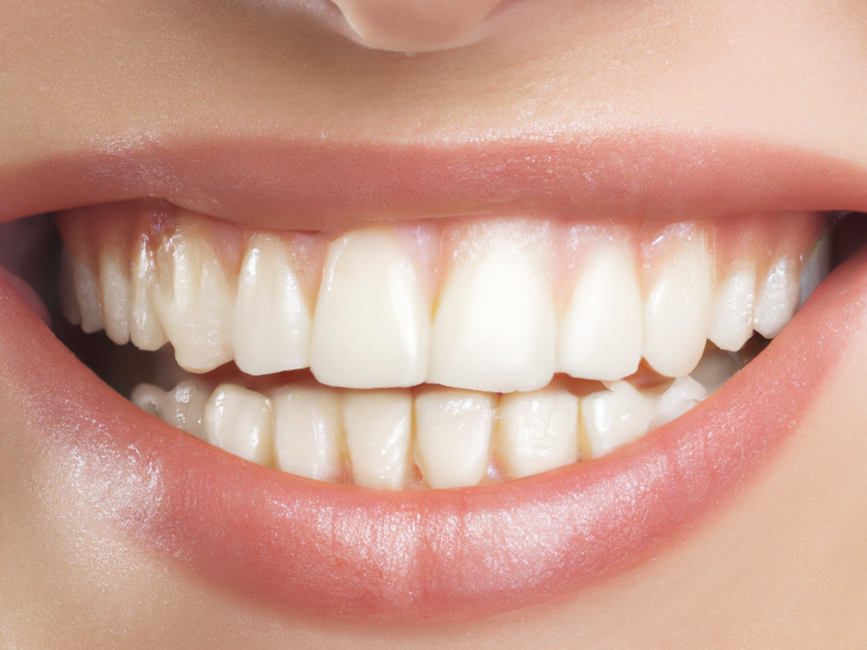
Can You Whiten Your Teeth at Home Safely?
Yes, safe tooth whitening at home is possible for most healthy adults using gentle, evidence-based methods. Residents in New Castle, PA often consider brightening their smiles, especially with the natural stains that can develop from local water, common foods, or seasonal habits such as tea and coffee drinking during colder months. The right approach involves understanding which options actually work—and which can damage your teeth or gums.
What Home Whitening Methods Are Considered Safe?
Safe at-home whitening includes properly used over-the-counter products and some household practices backed by dental research. Whitening toothpaste, low-strength whitening strips, and custom-fit trays purchased from a pharmacy can reduce surface stains. For safety and steady results:
- Choose ADA-accepted whitening toothpaste; these use mild abrasives and low levels of peroxide.
- Follow the instructions on any whitening strips exactly—never exceed the suggested time or frequency.
- Rinse your mouth thoroughly after use to remove leftover chemicals, especially in city homes with older plumbing, which might affect water taste post-rinse.
- Avoid mixing household products (such as baking soda and lemon juice), as acids and abrasives can erode enamel.
Overusing whitening gels or strips can cause tooth sensitivity and even gum irritation, which sometimes leads to problems with eating hot or cold foods during the city's seasons.
Are Natural Remedies or DIY Methods Effective?
Most so-called natural solutions—like rubbing teeth with fruit, using charcoal, or making pastes from baking soda and vinegar—are not recommended by dental professionals. While baking soda is a mild abrasive and may help remove some surface stains, frequent use or combining it with acids can quickly wear down enamel and worsen sensitivity.
In communities like the city, where water may have different mineral content than other regions, using acidic substances for whitening can interact negatively with enamel. Stick with gentle brushing and products that have been tested for safety.
What Causes Tooth Stains Locally, and How Can They Be Prevented?
Tooth stains often build up because of day-to-day habits, typical diets, and even city infrastructure (such as local water). Common contributors include:
- Regular coffee and tea consumption, especially during the cold winters.
- Drinking local tap water, which may have varying mineral content depending on seasonal changes or plumbing.
- Smoking or using tobacco products, which are known to cause yellowing.
- Consuming colorful foods like tomato sauce or berries, which can leave stains.
To minimize new stains:
- Brush soon after consuming stain-causing foods or drinks.
- Drink water to rinse your mouth, especially after meals.
- Try using a straw for iced coffee or tea to reduce contact with front teeth.
- Maintain regular brushing and flossing routines, which is especially important with the climate’s changing seasons that bring in higher humidity or dry heat.
How Long Does Home Whitening Take to Show Results?
Most over-the-counter whitening products take between one and two weeks to show noticeable improvement, though results depend on the type and depth of staining. Residents in older homes in New Castle may notice slower changes if enamel is thin or if there is a long history of tobacco use.
It’s common for initial results to fade somewhat if whitening is not maintained with regular cleaning and touch-ups. Be cautious of products promising results overnight—fast results often mean more aggressive chemicals, which can risk tooth health.
Can Home Whitening Damage Your Teeth or Gums?
There is a risk with any whitening product, especially if used too often or incorrectly. Signs of overuse include:
- Gum irritation or soreness
- Tooth sensitivity to hot or cold foods
- White spots or uneven coloration
Such problems can be exacerbated in the winter, when area residents tend to consume more hot beverages, further stressing recently whitened teeth. Always monitor for discomfort and suspend use if pain or sensitivity develops.
Who Should Avoid Whitening Teeth at Home?
Some people should not use at-home whitening kits, including:
- Children and teenagers, as their teeth are still developing.
- Pregnant or nursing individuals.
- Anyone with untreated cavities, gum disease, or recent dental work (like new crowns or fillings), since whitening agents can irritate sensitive areas.
If you have dental restorations (such as crowns, veneers, or fillings), they will not respond to whitening products and could result in uneven coloring compared to your natural teeth. For those who have a history of tooth sensitivity or notice gum irritation readily, caution with any home whitening method is always warranted.
What Common Myths or Mistakes Do People Make?
Several misconceptions circulate in the community, such as:
- Believing stronger products work better—higher peroxide levels increase risk of long-term tooth and gum problems without necessarily producing better results.
- Assuming every white smile is a healthy one—whitening does not address cavities, gum disease, or overall oral health.
- Thinking home remedies are harmless—acidic or abrasive substances can damage enamel regardless of how "natural" they are.
- Expecting permanent results—daily habits and local diet quickly restore stains, so touch-ups and good oral care are still needed.
How Can You Maintain Whiter Teeth After Whitening?
Good post-whitening habits help results last:
- Brush twice daily with fluoride toothpaste and a soft brush.
- Floss every day—even small bits of food can stain teeth over time.
- Limit or rinse after consuming dark drinks and foods.
- Use a straw for cold beverages.
- Visit your regular dental check-ups for a professional assessment of your oral health.
Especially in a close-knit community where seasonal gatherings often include coffee, teas, and vibrant foods, these habits are practical for keeping teeth brighter year-round.