

 See My Latest Article on HelloNation
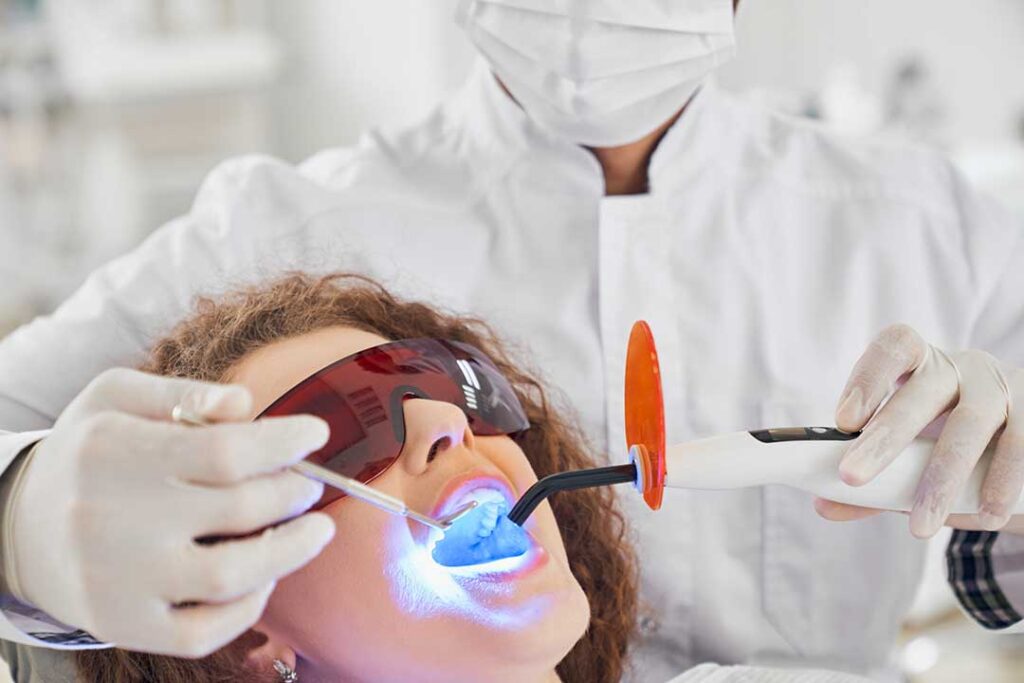
What Age Should Children in New Castle, PA First See a Dentist?
The American Academy of Pediatric Dentistry recommends that children have their first dental checkup by age one, or within six months of their first tooth erupting—whichever comes first. For families in New Castle, PA, this advice is practical given the common milestone of primary teeth appearing around six months to one year of age.
Early visits help set the stage for lifelong oral health and allow parents to get trustworthy answers to questions about teething, feeding, and dental care habits.
Why Schedule a Dental Checkup at Such a Young Age?
Children’s dental visits before their second birthday may seem early, but starting young offers several benefits:
- Dentists can spot early warning signs of tooth decay or developmental concerns.
- Parents get individualized guidance on bottle feeding, pacifier use, and brushing techniques tailored for young children.
- Early positive experiences in a dental office can reduce anxiety and help children feel comfortable at future appointments.
These benefits are especially relevant in local households where children may participate in community events, daycare, and group activities where oral health can impact daily comfort and social development.
Are There Local Factors That Make Early Visits Especially Important?
In New Castle, families often live in a mix of older homes and newer developments, and many households draw water from both municipal and private sources. It’s not uncommon for parents to have questions about fluoride. Early dental visits can help determine whether additional fluoride is needed for young children based on local water quality, which can vary from one neighborhood to another.
Children in the region also experience cold winters, which can make indoor snacks, sweetened drinks, and less outdoor activity more common—factors that impact cavity risk. Early dental advice considers local habits and helps families make adjustments suited to life in the city.
What Happens During a Child’s First Dental Visit?
A first dental visit is informative, comfortable, and much shorter than a routine adult exam. For infants and toddlers, dentists focus on:
- Inspecting erupted teeth and gums for signs of decay or infection
- Reviewing teething and growth patterns
- Discussing diet, feeding routines, and home care practices
- Demonstrating gentle brushing techniques
- Answering parents’ questions about thumb sucking, pacifier use, and what to expect as new teeth appear
The child is usually held by a parent during the exam, and the visit emphasizes prevention over treatment.
What If My Child Hasn’t Seen a Dentist by Age Two or Three?
It’s common for families to postpone dental visits if their child seems healthy or has only a few teeth. However, local and national studies show that cavities can develop quickly—even in toddlers. “Baby teeth” play a crucial role: they aid in chewing, speech, and hold space for adult teeth.
If a child has not had a dental checkup by the age of two or three, it’s still a good idea to schedule one promptly. It’s better to begin preventive care late than not at all. Delaying further can increase the odds of more complex dental needs, especially as diets diversify and children become more independent.
What Should Parents Do at Home Before the First Dental Visit?
A few simple steps at home make a child’s first dental experience smoother:
- Wipe gums gently with a damp cloth before teeth appear
- Use a soft baby toothbrush and a smear of fluoride toothpaste as soon as the first tooth shows
- Avoid putting your child to bed with a bottle containing anything other than water
- Reduce sugary snacks and keep juice intake minimal
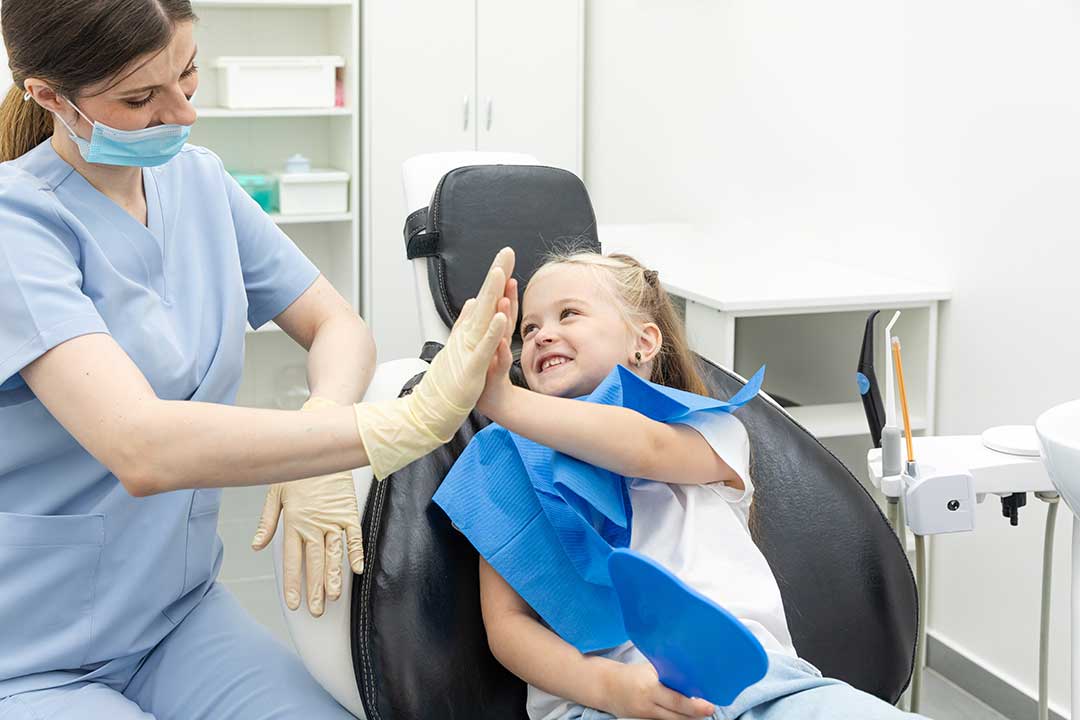
By age one, brushing twice daily helps create healthy routines. Preparing children with picture books about dental visits or stories from family members can also build familiarity.
Is the First Visit Only About Cavities?
No—early checkups are just as much about overall growth and development as they are about cavities. Dentists screen for:
- Oral injuries from falls (common in toddlers)
- Unique tooth positions or spacing
- Impact of thumb sucking or pacifiers on bite development
- Signs of early childhood illnesses that may show up in the mouth
These assessments are especially valuable in community settings like New Castle, where children participate in group activities and play in local parks year-round. Having a professional monitoring development means problems can be spotted before they interfere with speech, nutrition, or confidence.
Can Early Dental Visits Lower Long-Term Dental Costs?
Yes, preventive care started early makes a difference. When parents are equipped with local advice, they’re more likely to avoid emergency visits down the line. Catching small issues before they become big problems reduces the likelihood of pain, infections, and costly procedures as children grow.
Children who start dental care early also tend to be more cooperative and confident in dental settings throughout childhood, contributing to better habits into adolescence and adulthood.
Common Myths About Children’s First Dental Visits
Several myths persist about when kids should begin seeing a dentist:
- “Baby teeth don’t matter because they fall out anyway.” In reality, healthy baby teeth are essential for eating, speaking, and guiding adult teeth into place.
- “It’s not a big deal if toddlers have a cavity.” Untreated decay can cause pain and infection, even in very young children.
- “Wait until all the baby teeth come in.” This could mean missing the window for early prevention.
- “My child doesn’t eat much sugar, so they won’t get cavities.” Even milk and starchy foods can cause tooth decay if teeth aren’t cleaned regularly.
Local families benefit when they check in with a dental professional early, no matter their child’s diet or perceived risk.