

 See My Latest Article on HelloNation
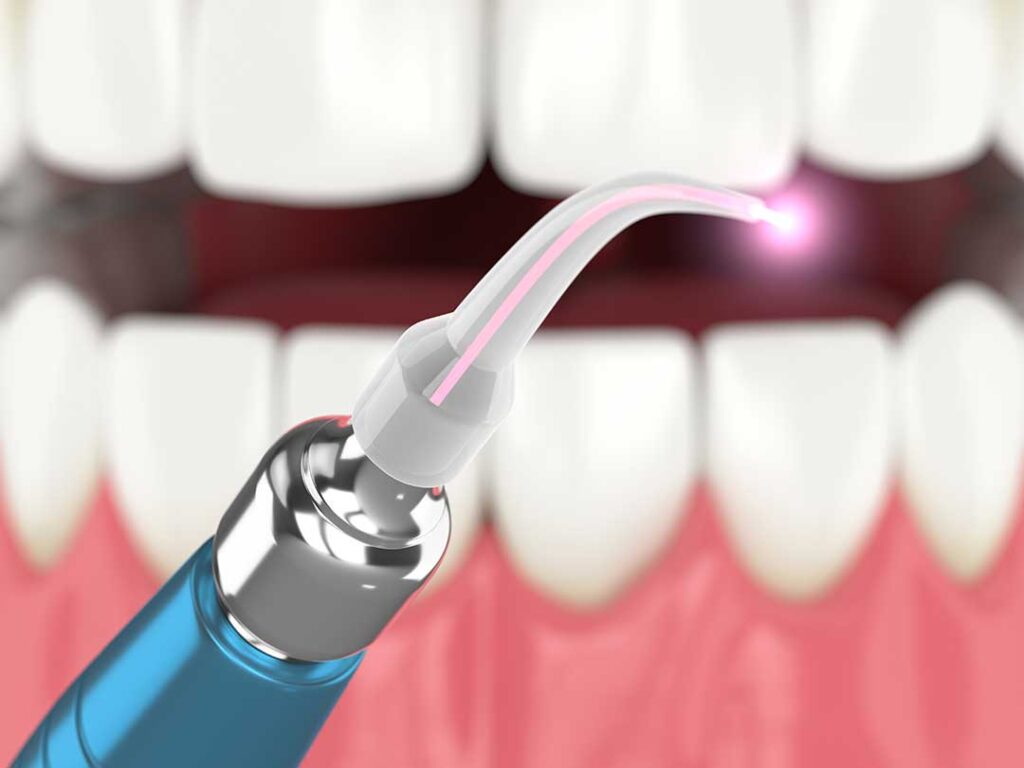
Cleaning between the teeth once a day helps remove plaque and food particles that a toothbrush cannot reach. For most people, traditional dental floss works well when it is gently guided below the gumline and wrapped around each tooth rather than snapped straight down. ([ada.org](https://www.ada.org/resources/ada-library/oral-health-topics/floss?utm_source=openai))
Why does flossing matter?
A toothbrush mainly cleans the front, back, and chewing surfaces of the teeth. Tight spaces between teeth can collect plaque, a sticky film of bacteria. If plaque remains, it can contribute to tooth decay, gum inflammation, and eventually tartar, which cannot be brushed away at home. ([ada.org](https://www.ada.org/resources/ada-library/oral-health-topics/floss?utm_source=openai))
Daily flossing is part of standard oral hygiene guidance, along with brushing twice a day with fluoride toothpaste. The goal is not to make the gums bleed or force the floss into place. The goal is to clean both sides of every tooth carefully and consistently. ([cdc.gov](https://cdc.gov/oral-health/about/index.html?utm_source=openai))
For households in New Castle, PA, winter heating and dry indoor air may make the mouth feel dry for some people. Dry mouth can increase discomfort during oral care, so using a gentle technique and drinking water regularly may make daily cleaning more comfortable.
What supplies are needed?
Traditional string floss is suitable for many people, especially when the spaces between teeth are narrow. Waxed and unwaxed floss can both be effective; comfort and the ability to use the floss correctly matter more than the label. ([ada.org](https://www.ada.org/resources/ada-library/oral-health-topics/floss?utm_source=openai))
Other options may be useful in specific situations:
- Floss picks can help people who have difficulty wrapping floss around their fingers.
- A floss threader may help clean around orthodontic wires or under fixed bridges.
- Interdental brushes may work better where spaces are wider.
- Water flossers can be an alternative for some people, including those who struggle with hand control or certain dental appliances.
The most useful method is the one that can be used thoroughly and regularly. Interdental brushes should not be forced into tight spaces, because the wrong size or excessive pressure may irritate the gums. ([ada.org](https://www.ada.org/sitecore/content/ADA-Organization/ADA/MouthHealthy/home/dental-care/daily-routine?utm_source=openai))
How should you floss step by step?
1. Start with enough floss
Use roughly 18 inches of floss. Wind most of it around the middle finger of one hand and the remainder around the middle finger of the other hand. Leave about 1 to 2 inches available between the hands.
This arrangement allows a clean section of floss to be moved into place as plaque is removed.
2. Hold the floss securely
Grip the floss between the thumb and index finger of each hand. Keep only a short working section stretched between the fingers. A shorter section gives better control than allowing a long, loose piece to move around.
3. Guide the floss gently between two teeth
Use a slow back-and-forth motion to pass the floss through the contact point. Do not force it downward or snap it against the gums. Snapping can cut or bruise the gum tissue, especially when the gums are already irritated.
If the floss will not pass through a contact point, try a different angle or a thinner type of floss. Persistent difficulty may be related to crowding, a rough filling, or another dental issue.
4. Curve the floss around one tooth
Once the floss reaches the gumline, curve it into a “C” shape around the side of one tooth. Slide it gently up and down, extending slightly below the gumline without forcing it.
The curved shape allows the floss to hug the tooth surface rather than simply moving through the gap.
5. Clean the neighboring tooth
After cleaning one side, curve the same section of floss around the adjacent tooth and repeat the up-and-down motion. Each space contains two tooth surfaces, and both need to be cleaned.
Avoid using a sawing motion directly against the gums. The floss should move along the tooth surface with controlled, gentle pressure.

6. Repeat throughout the mouth
Work systematically around the upper and lower teeth. Include the back sides of the last teeth in each row, where food and plaque can collect even though there may not be another tooth beside them.
Use a fresh section of floss as the working portion becomes coated or frayed. Used floss should be discarded rather than rinsed and reused because worn floss may clean less effectively and can transfer bacteria. ([ada.org](https://www.ada.org/resources/ada-library/oral-health-topics/floss?utm_source=openai))
Should flossing happen before or after brushing?
Either order can be acceptable if the cleaning is thorough. Some people floss before brushing so loosened debris can be brushed away afterward. Others prefer to brush first and floss as the final cleaning step.
The most reliable choice is the order that helps a person clean between the teeth every day. Evening flossing is common because it removes the day’s accumulated plaque before sleep, but the exact time is less important than consistency. ([ada.org](https://www.ada.org/resources/ada-library/oral-health-topics/floss?utm_source=openai))
Is bleeding normal when starting?
A small amount of bleeding can occur when someone begins flossing after a period of inconsistent cleaning. Inflamed gums may bleed when plaque is disturbed. Gentle daily cleaning often helps reduce this irritation over time.
Bleeding should not be treated as a reason to stop automatically. However, seek dental guidance if bleeding is heavy, continues after several days of careful cleaning, occurs without touching the gums, or is accompanied by swelling, persistent soreness, pus, loose teeth, or a bad taste.
Using too much force can also cause bleeding. Proper flossing should feel controlled rather than painful.
What if floss gets stuck or shreds?
Floss that repeatedly catches, breaks, or shreds in the same area may indicate a rough filling edge, a broken tooth surface, tartar buildup, or a tight contact between teeth. Do not pull aggressively, since that can injure the gums.
Instead, gently release one end of the floss and slide it out from the side. If the problem keeps occurring, the area should be evaluated.
People with braces, bridges, implants, crowns, dentures, or limited hand movement may need a different interdental cleaning method. The appropriate tool depends on the shape of the spaces and the dental work present.
How can the habit become easier?
Place floss where it is visible, such as near the toothbrush or another part of the evening routine. Begin with one section of the mouth if completing the entire mouth feels difficult, then build toward daily cleaning everywhere.
Children usually need help and supervision until they can control the floss without snapping it into the gums. Older adults or anyone with arthritis, reduced vision, or limited dexterity may find a handle, threader, interdental brush, or water flosser easier to manage.
The practical standard is simple: clean between the teeth once each day, use gentle pressure, and choose a method that reaches the spaces without causing injury.